
Embarking on a new career path, especially through the accelerated learning model of a coding bootcamp, is an exciting prospect. These intensive programs promise to equip you with in-demand skills in a fraction of the time traditional degrees often require. However, just as crucial as choosing the right bootcamp and curriculum is understanding how you'll finance this significant investment. The financial decision you make can impact your post-bootcamp life as much as the skills you acquire.
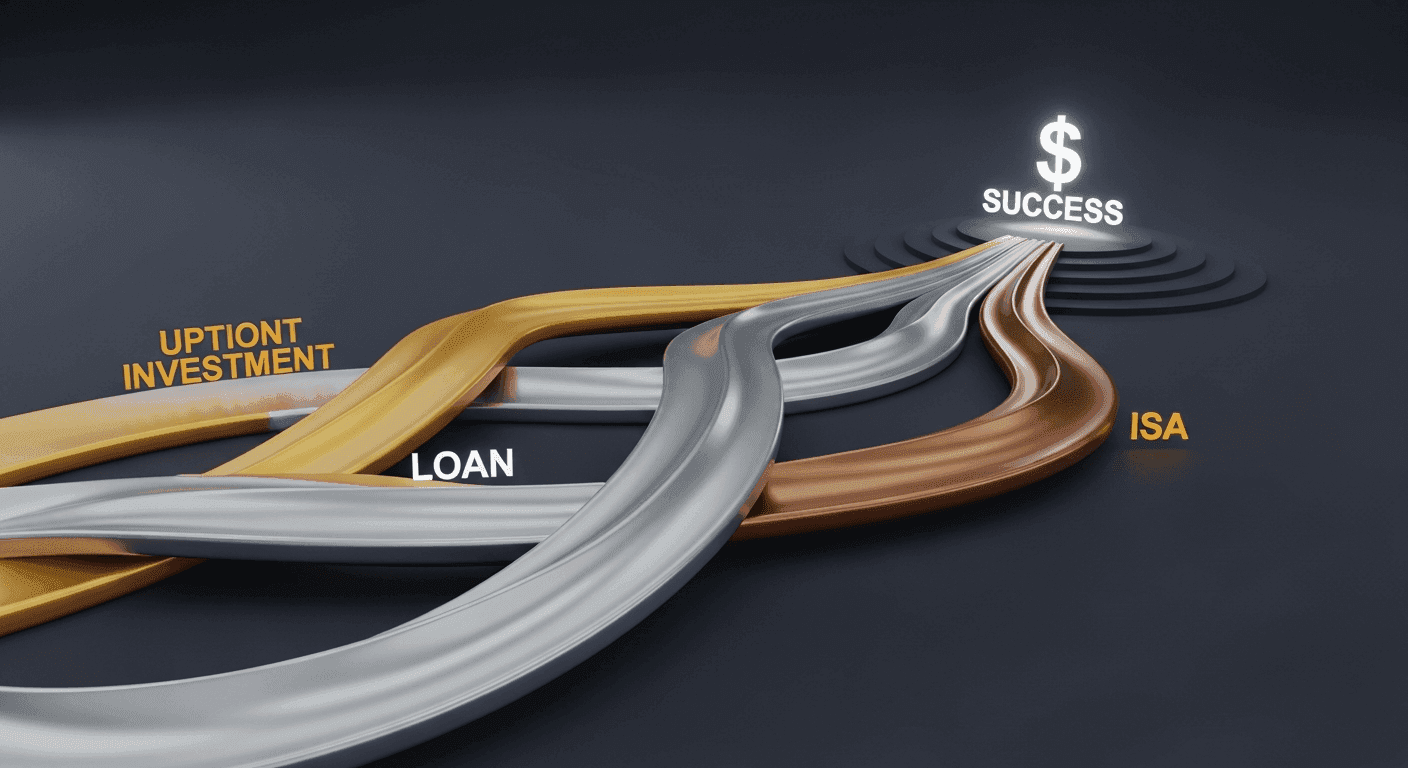
For many, the cost of a bootcamp is a primary concern. You'll generally encounter three main financing avenues: paying upfront, taking out a traditional loan, or utilizing an Income Share Agreement (ISA). Each option presents a unique set of financial risks and rewards, and understanding these distinctions is key to studying smarter, borrowing wiser, and ultimately moving forward with confidence into your new career.
Understanding Your Options: A Quick Overview
Before diving into the specifics of each, let's briefly define the core mechanisms. An upfront payment means you cover the full tuition cost before or at the start of the program, using your existing savings. A traditional loan involves borrowing money from a financial institution, which you then repay over time with interest, typically in fixed monthly installments. An Income Share Agreement (ISA) is a newer model where, in exchange for your education, you agree to pay a percentage of your future income for a set period, but only if you reach a predetermined income threshold. Each option carries distinct implications for your cash flow, debt burden, and future financial flexibility.
The Upfront Payment: Clarity and Control
Paying for your bootcamp upfront offers the most straightforward financial path. The primary benefit is absolute clarity and control: once the payment is made, you own your education outright. There are no lingering debts, no interest accumulating, and no future payment obligations tied to your income. This can provide significant peace of mind, allowing you to focus entirely on your studies and job search without the added pressure of impending loan repayments.
However, the main drawback is obvious: it requires significant liquid savings, which may not be accessible to everyone. Tying up a substantial amount of capital in an educational investment means those funds are no longer available for other uses, such as emergency savings or other investments. While it eliminates future financial obligations, it demands a substantial present-day commitment. Consider the following aspects:
- Immediate financial relief post-bootcamp, with no debt to manage.
- Complete freedom from future payment obligations, regardless of income.
- Potentially the lowest overall cost if you have the capital readily available.
- Requires substantial liquid assets that could be used elsewhere.
- Missed opportunity cost of that capital if it could have generated returns.
Traditional Loans: Structured Repayment, Predictable Terms
Traditional loans, whether from federal programs (if applicable for certain programs) or private lenders, operate on a familiar model. You borrow a sum of money, and you agree to repay it over a specified period, typically with interest. These loans can be a lifeline for individuals who lack the upfront capital but possess a strong desire to pursue a bootcamp education. They provide immediate access to funds, allowing you to bridge the financial gap.
A key advantage of traditional loans is their structured, predictable nature. You'll know your monthly payment amount and the total repayment period, making it easier to budget for your post-bootcamp finances. Depending on the loan type and your credit history, interest rates can be fixed or variable, impacting your total cost. Loans can also offer the benefit of building a positive credit history if managed responsibly, which can be valuable for future financial endeavors.
The significant consideration with traditional loans is the unwavering obligation to repay. This means payments are due regardless of your employment status or income level after the bootcamp. Interest can accrue even while you're studying, increasing the total amount owed. Defaulting on a loan can have severe negative impacts on your credit score and future borrowing capacity, underscoring the importance of understanding all terms and conditions before committing.
Income Share Agreements (ISAs): A Bet on Future Earnings
Income Share Agreements have gained popularity as an alternative financing model, particularly in the tech education sector. With an ISA, you typically pay little to no upfront tuition. Instead, once you graduate and secure a job earning above a certain income threshold, you agree to pay a fixed percentage of your gross income for a predetermined number of months or until a maximum payment cap is reached. If your income falls below the threshold, your payments pause or stop.
The appeal of ISAs is clear: they lower the upfront financial barrier and align the bootcamp's success with your own. If you don't succeed in landing a high-paying job, you don't pay. This model can reduce the personal financial risk of investing in education, making bootcamps accessible to a broader range of learners. Many ISAs also come with embedded career support services, as the bootcamp has a vested interest in your post-graduation employment.
However, ISAs are not without their complexities. The total amount repaid through an ISA can sometimes exceed the listed tuition price of the bootcamp, especially if you secure a high-paying job quickly. The payment period can also be extended if your income fluctuates or you experience periods of unemployment below the threshold. It's crucial to thoroughly understand the income threshold, payment percentage, payment cap, and maximum payment period before signing an ISA, as these terms vary significantly between providers.
Weighing the Risks and Rewards
Assessing financial risk isn't just about avoiding debt; it's about understanding the full spectrum of implications for your financial future. When comparing upfront payments, traditional loans, and ISAs, consider your personal financial situation, your comfort with various levels of risk, and your career aspirations. The 'best' option isn't universal; it's the one that aligns most effectively with your individual circumstances and future goals.
For instance, if you have substantial savings and a low-risk tolerance, an upfront payment might offer the most peace of mind. If you need financing but value predictable, fixed payments and are confident in your ability to secure employment, a traditional loan could be suitable. If you prefer a model where your payments are directly tied to your earning success and want to minimize upfront financial commitment, an ISA might be appealing, provided you understand its specific terms.
Remember, the 'risk' in education financing extends beyond just the interest rate or payment percentage. It includes the opportunity cost of your time and money, the potential impact on your credit, and the flexibility you'll have in your financial life post-bootcamp. Thorough research into each option's fine print, including repayment terms, interest rates, deferment policies, and income thresholds, is absolutely essential.
Making an Informed Decision
Ultimately, the decision of how to finance your bootcamp education is a highly personal one. There's no single right answer, only the answer that's right for you. Take the time to evaluate your current savings, assess your comfort level with debt, and research the specific terms offered by different bootcamps and their financing partners. Speak with alumni if possible to gain insights into their post-bootcamp financial experiences.
Your educational journey is an investment in yourself. By diligently assessing the financial risks and rewards of upfront payments, traditional loans, and Income Share Agreements, you empower yourself to make a choice that supports your long-term financial health and career success. Studying smarter and borrowing wiser are not just mottos; they are actionable principles that will help you move forward confidently into your future.
Sources & Further Reading
- Income share agreement — Wikipedia
- Student loan — Wikipedia
- Cognitive Biases and Decision-Making in UX — Interaction Design Foundation
- OWASP Top Ten — OWASP