
Navigating student loan terms can feel like deciphering a complex code. You’re likely familiar with the principal amount and the interest rate, which are upfront costs you expect to manage. But lurking within the fine print of many loan agreements is another significant factor that can quietly inflate your total debt: interest capitalization.
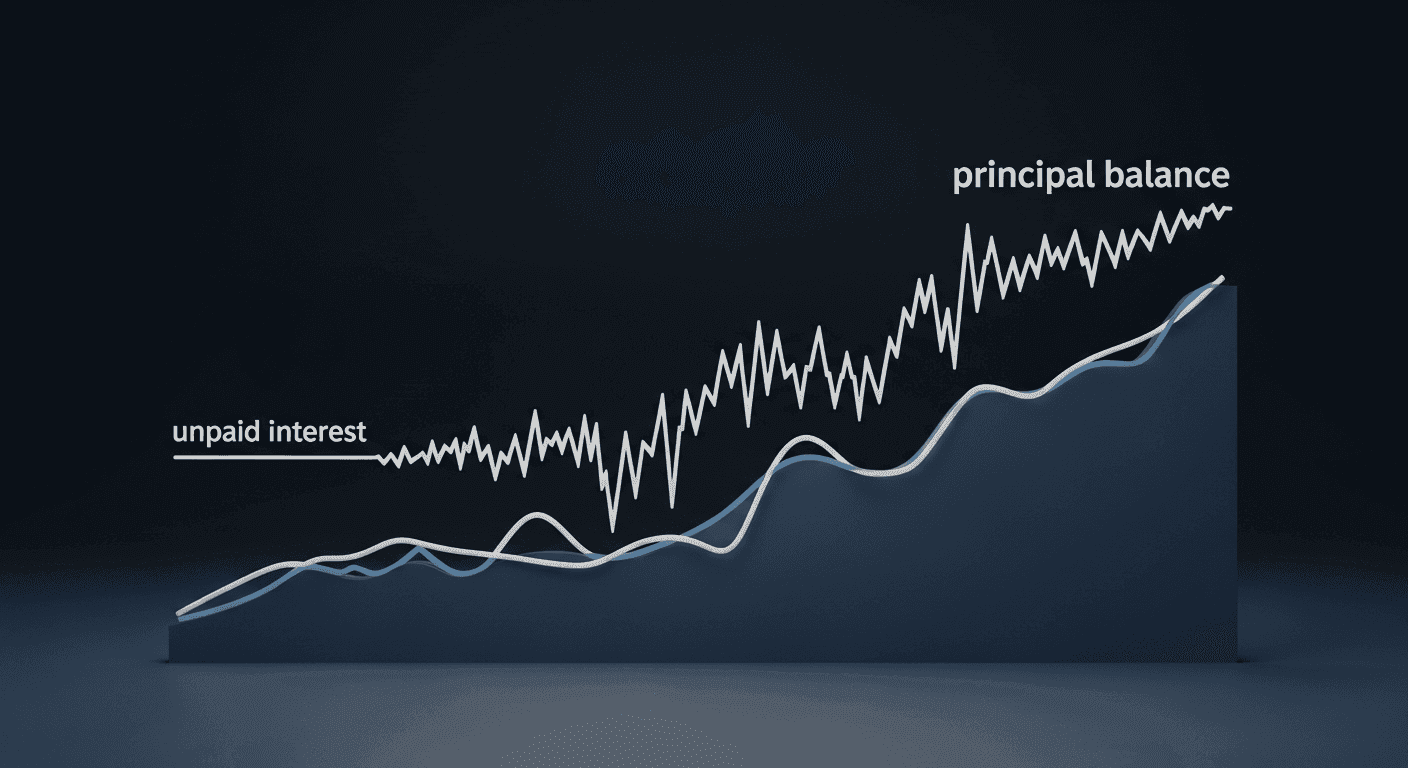
Interest capitalization isn't just about interest accruing; it's a process where unpaid interest is added directly to your loan's principal balance. This means your loan balance grows, and from that point forward, you're paying interest not only on the original amount you borrowed but also on the interest that has already piled up. Understanding this mechanism is crucial for anyone looking to study smarter, borrow wiser, and move forward with their financial future.
What Exactly is Interest Capitalization?
At its core, interest capitalization is when accumulated, unpaid interest is added to the principal balance of your loan. Think of your loan's principal as the original amount you borrowed. As time passes, interest accrues on that principal. If you don't pay that accruing interest, or if certain conditions are met, your loan servicer can add that unpaid interest to your principal. Once capitalized, that previously unpaid interest itself starts earning interest, creating a compounding effect that can significantly increase your overall repayment burden.
It's a common misconception that interest simply "pauses" during periods like deferment or grace periods. While you might not be making payments, for certain types of loans, interest continues to build up. When these periods end, or when other specific events occur, that accumulated interest can be capitalized, making your loan balance larger than the original amount you borrowed even before you make your first payment.
When Does Capitalization Occur?
Interest capitalization doesn't happen randomly; it's triggered by specific events outlined in your loan agreement. Being aware of these common scenarios can help you anticipate and potentially mitigate their impact.
- End of a Grace Period: For unsubsidized federal loans, any unpaid interest that accrued during your grace period (the time after you leave school before payments begin) will often be capitalized when repayment starts.
- Deferment: If you defer your loan payments, interest typically continues to accrue. For unsubsidized loans, this accumulated interest will be capitalized at the end of the deferment period.
- Forbearance: Similar to deferment, interest usually accrues during forbearance. This interest will be capitalized when the forbearance period concludes.
- Default: If your loan goes into default, any unpaid interest will be capitalized, significantly increasing your principal balance and making recovery more challenging.
- Switching Repayment Plans: In some cases, changing repayment plans, especially from certain income-driven plans to others, or leaving an income-driven plan without having paid enough to cover accruing interest, can trigger capitalization.
The "Hidden Cost" Explained: How Capitalization Hurts You
The real sting of interest capitalization lies in its ability to quietly inflate your total debt over time. When unpaid interest is added to your principal, it's not just a one-time fee; it’s a permanent increase to the foundation upon which all future interest is calculated. This means you end up paying interest on interest, making your loan more expensive than it might initially appear.
Imagine you borrow a certain amount for your education. If, due to capitalization, your principal balance increases by a considerable sum before you even start making regular payments, then every single payment you make thereafter will have a larger portion going towards interest on that inflated principal. This can extend your repayment period, increase your monthly payment amount, or both, ultimately leading to a much higher total cost over the life of the loan. It transforms a simple interest accrual into a compounding financial burden that can be difficult to outpace.
Subsidized vs. Unsubsidized Loans: A Key Distinction
The type of loan you have plays a significant role in how interest capitalization affects you. Federal student loans are primarily divided into two categories: subsidized and unsubsidized. Understanding the difference is crucial for anticipating when interest capitalization might occur.
With subsidized loans, the government pays the interest that accrues while you are in school at least half-time, during your grace period, and during periods of deferment. This means that for these specific periods, you are not responsible for the interest, and therefore, no interest will capitalize during these times. However, if you enter forbearance, interest will accrue and can capitalize. For unsubsidized loans, interest begins accruing the moment the loan is disbursed. You are responsible for all the interest that accrues, even while you are in school, during your grace period, or during deferment or forbearance. If you don't pay this interest as it accrues, it will almost certainly be capitalized when specific events, like the end of a grace period or deferment, occur. This distinction is vital for understanding your potential exposure to capitalization.
Strategies to Minimize Interest Capitalization
While interest capitalization can seem like an unavoidable force, there are proactive steps you can take to mitigate its impact and keep your total loan cost lower. The key is to be informed and strategic about your repayment approach.
One of the most effective strategies is to pay the accruing interest during periods when payments aren't required, such as during your grace period or during deferment or forbearance. Even small, consistent payments towards interest can prevent it from being added to your principal. Additionally, carefully review your repayment options. Some income-driven repayment plans might lead to capitalization if your payments aren't sufficient to cover the monthly interest. Understanding how different plans interact with interest accrual and capitalization is essential for making an informed choice. Always consider the long-term implications of any repayment decision.
Knowing Your Terms is Empowering
The world of student loans can be intricate, but knowledge is your most powerful tool. Taking the time to understand terms like interest capitalization empowers you to make smarter financial decisions, potentially saving you a substantial amount over the life of your loan. Don't hesitate to consult your loan servicer or reliable educational resources to clarify any aspect of your loan terms. Proactive engagement ensures you're not caught off guard by hidden costs.
By staying informed and actively managing your student loans, you align yourself with the MKLern Pro motto: Study smarter. Borrow wiser. Move forward.
Sources & Further Reading
- Student loan — Wikipedia
- Transparency in UX Design — Interaction Design Foundation
- Credibility and Trust in UX Design — Interaction Design Foundation