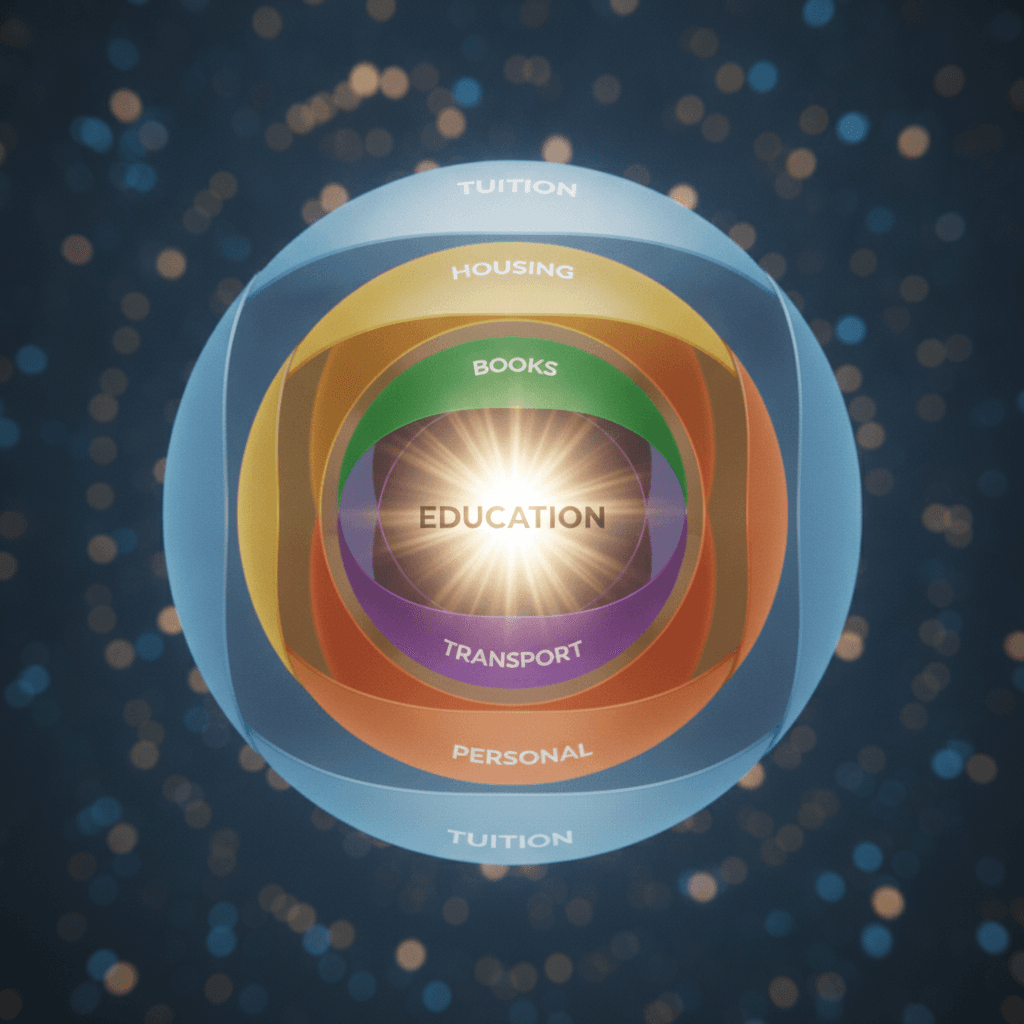
For many learners, the journey through education culminates in a significant transition: moving from student life to professional endeavors. This period often comes with a mix of excitement, new challenges, and the looming reality of financial obligations, including student loan repayments. Thankfully, a common feature designed to ease this transition is the loan grace period, a valuable window of time that can help you get your financial footing before repayment responsibilities fully begin.
Understanding what a grace period is, how it works, and how to use it wisely is essential for anyone navigating the world of borrowing. It’s not a period of forgiveness, but rather a strategic pause that, if managed effectively, can set you up for long-term financial success. Let's break down this crucial concept.
The Basics: What is a Grace Period?
In simple terms, a loan grace period is a set amount of time after a specific event during which you are not required to make payments on your loan. This period acts as a buffer, offering a temporary reprieve from immediate repayment demands. For student loans, the specific event that triggers the start of your grace period is typically when you graduate, leave school, or drop below half-time enrollment status.
It’s important to distinguish a grace period from a deferment or forbearance, though all three can temporarily suspend payments. A grace period is usually automatically applied and fixed in duration, whereas deferment and forbearance are typically requested by the borrower and granted under specific circumstances, often due to financial hardship or continued enrollment. The key takeaway is that during a grace period, your loan payments are simply paused, not eliminated. You will eventually need to start repaying the full amount owed.
Why Do Grace Periods Exist for Student Loans?
Grace periods on student loans serve a critical purpose: they provide borrowers with essential time to adjust to life after education. The transition from student to working professional can be demanding, involving job searches, relocation, and establishing new routines. Expecting immediate loan payments upon graduation would place an undue burden on individuals who may not yet have a steady income.
This temporary pause allows new graduates and former students to focus on securing employment, settling into their careers, and organizing their finances without the immediate pressure of loan bills. It's designed to prevent financial distress during a significant life change, giving borrowers a chance to build up savings and create a budget before their repayment schedule officially begins.
Navigating Your Student Loan Grace Period
For many federal student loans, the grace period typically lasts six months. During this time, the rules regarding interest accrual can vary depending on the type of loan you have. For instance, with subsidized federal student loans, the government generally pays the interest that accrues during your grace period. However, with unsubsidized federal student loans and most private student loans, interest usually continues to accumulate during the grace period and is added to your principal balance when repayment begins, a process known as capitalization.
- Secure employment and establish an income stream.
- Begin building an emergency fund to cover unexpected expenses.
- Research and understand all available repayment options for your specific loans.
- Create a detailed personal budget that accounts for future loan payments.
- Update your contact information with your loan servicer to receive important updates.
- Consider making small payments to reduce the principal balance, even if not required.
It is crucial to know your specific loan terms. Contact your loan servicer to confirm the exact length of your grace period, whether interest will accrue, and what your estimated monthly payments will be once the grace period ends. This proactive approach ensures you are fully prepared for when repayment begins.
Grace Periods Beyond Student Loans
While student loans are the most common context for a 'grace period' before payments begin, this concept is less prevalent in other types of loans. For instance, auto loans and personal loans typically require payments to start almost immediately after the loan funds are disbursed. The idea of a several-month pause before the first payment is generally unique to student financing to accommodate the post-education transition.
It is also worth noting that credit cards have a different type of grace period. This refers to the period between your statement closing date and your payment due date, during which you can pay your balance in full to avoid interest charges on new purchases. This is distinct from a loan grace period which delays the start of principal and interest payments on a larger, installment-based debt.
Maximizing Your Grace Period: Key Strategies
The grace period is a powerful tool, but its value is maximized through proactive management. Don't simply let the time pass without engaging with your finances. If possible, consider making small, voluntary payments during this time, especially if you have unsubsidized loans where interest is accruing. Even modest payments can reduce the total amount of interest that capitalizes, saving you money in the long run.
Use this time to thoroughly explore all your repayment options. Federal student loans, for example, offer various income-driven repayment plans that can adjust your monthly payments based on your income and family size. Understanding these options before your grace period ends allows you to choose the best plan for your financial situation and avoid any last-minute stress or potential missed payments.
Important Considerations and Next Steps
Be aware that if you return to school, your grace period may reset or be exhausted, depending on the type of loan and the duration of your re-enrollment. It’s crucial to keep track of your enrollment status and how it impacts your loan repayment timeline. Additionally, failing to make payments once your grace period ends can lead to serious consequences, including late fees, damage to your credit score, and eventually, loan default.
Your loan servicer is your primary resource for specific questions about your loans. Maintain open communication, update them with any changes to your contact information, and don't hesitate to reach out if you anticipate difficulty making payments. They can guide you through available options like deferment, forbearance, or income-driven repayment plans before your situation escalates.
The loan grace period is an invaluable feature designed to provide a smooth transition into repayment. By understanding its mechanics, proactively managing your finances, and communicating with your loan servicer, you can leverage this time to your advantage. It’s an opportunity to study smarter and move forward confidently into your financial future, well-prepared for your borrowing responsibilities.
Sources & Further Reading
- Grace period — Wikipedia
- Student loan — Wikipedia
- What Is a Grace Period? — StudentAid.gov
- Deferment and Forbearance — StudentAid.gov
- Mental Models — Interaction Design Foundation