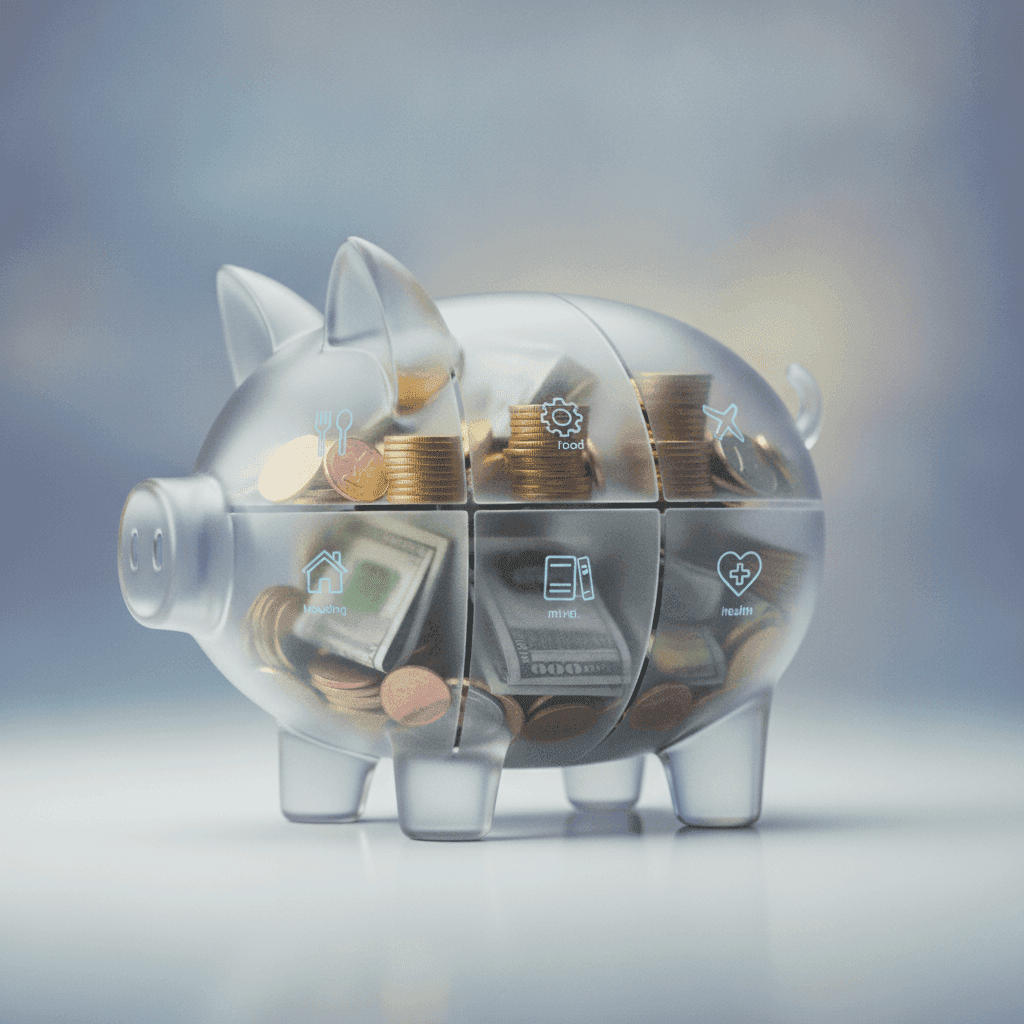
When you're navigating the path of higher education, every financial decision can feel significant. Understanding how your money works for you, particularly when saving, is a powerful skill. One of the most fundamental and impactful concepts in personal finance is compound interest, often called the "eighth wonder of the world" for good reason. For students and aspiring learners, grasping compound interest isn't just an academic exercise; it's a practical tool that can significantly accelerate your savings goals, making everything from tuition to textbooks more manageable. It’s about more than just putting money aside; it’s about watching that money grow on its own, creating a snowball effect that builds wealth over time.
The Basics: Simple vs. Compound Interest
At its core, interest is the cost of borrowing money or the reward for lending it. When you save money in an account that earns interest, you are essentially lending your money to the bank, and they pay you for it. There are two main types of interest: simple and compound.
Simple interest is calculated only on the principal amount, which is the initial sum of money you deposited. Compound interest, however, takes this a crucial step further. With compound interest, you earn interest not only on your initial principal but also on the accumulated interest from previous periods. It’s like a snowball rolling down a hill, picking up more snow as it goes, growing larger and faster. This re-investment of earned interest is what gives compound interest its remarkable power.
How Compound Interest Works Its Magic
The magic of compound interest lies in its exponential nature. Each time interest is calculated and added to your principal, the base amount for the next calculation becomes larger. This means that with every compounding period – be it daily, monthly, or annually – your money grows a little bit faster than it did before.
Imagine you save a small amount. In the first period, you earn interest on just that sum. In the second, you earn interest on your original sum plus the interest from the first period. This cycle continues, with each interest payment becoming part of your new principal, which then earns its own interest. Over time, these small additions accumulate into substantial growth, and the frequency of compounding further accelerates this effect.
Why It's a Game-Changer for Student Savings
For students, understanding and utilizing compound interest can be a true game-changer in achieving financial independence and educational goals. Whether you’re saving for tuition, textbooks, or living expenses, compound interest helps your money work harder for you.
The key advantage is time: the earlier you start saving, even with small amounts, the longer your money has to compound. A few dollars saved consistently in high school can grow into a surprisingly significant sum by the time you're ready for college or graduate school, simply due to the extended period of compounding. This reduces the burden of needing to save much larger amounts later and highlights the importance of borrowing wisely. By maximizing savings, you might reduce reliance on loans, minimizing interest paid in the long run.
Practical Steps to Harness Compound Interest
Putting compound interest to work for your student savings isn't complicated, but it does require consistency and a bit of foresight. Here are some actionable steps to help you leverage this financial powerhouse:
- Start Early: Time is the most impactful factor. Modest contributions started young significantly outperform larger ones started later, thanks to extended compounding.
- Save Consistently: Regular contributions, however small, add to your principal. Automating transfers can make this effortless.
- Choose Wisely: Explore savings options beyond basic accounts, like high-yield savings or CDs for longer horizons. Always understand the terms.
- Avoid Early Withdrawals: Resist dipping into savings. Each withdrawal reduces your principal, slowing down compounding growth.
- Educate Yourself: Continuously learn about savings strategies and financial planning to make informed decisions.
By adopting these habits, you transform your savings from a static pool of money into a dynamic engine of growth, steadily building towards your financial aspirations.
The Power of Time and Consistency
The true marvel of compound interest becomes most apparent over extended periods. It's not about trying to get rich quickly; it's about steadily building wealth by letting your money do the heavy lifting over time. Small, consistent contributions made over years can accumulate into substantial sums, illustrating that patience and discipline are key allies in financial growth.
Consider the metaphor of planting a tree. A young sapling might seem insignificant, but with consistent watering and care over many years, it grows into a mighty tree. Your savings, nurtured by compound interest, function in much the same way. Each dollar you save is a seed, and compound interest is the fertile ground and sunshine that helps it blossom into a larger financial resource.
Important Considerations for Savers
While compound interest is a powerful ally, it's important to approach savings with a broad understanding of the financial landscape. Factors like inflation, which erodes the purchasing power of money over time, and taxes on interest earned, can influence the real return on your savings. It's always wise to be aware of these broader economic factors as you plan your financial future.
Remember, the information provided here is for general educational purposes and should not be considered personalized financial advice. Every individual's financial situation is unique, and it's often beneficial to consult with a qualified financial advisor to discuss your specific goals and create a tailored plan. By understanding the fundamental principles of compound interest, you've taken a significant step toward studying smarter, borrowing wiser, and moving forward with confidence in your financial journey.
Sources & Further Reading
- Compound interest — Wikipedia
- Financial literacy — Wikipedia
- How to Design for Learning and Education — Interaction Design Foundation
- 10 Usability Heuristics for User Interface Design — Nielsen Norman Group